Which AI humanizer actually works? We tested Clever AI, Grammarly, and more for detection rates and quality. Find the right tool for your writing workflow.
Table of Contents
The use of AI in writing has become mainstream across education, business, and digital publishing. Writers now rely on automation to brainstorm, outline, and draft essays faster than ever before. This convenience, however, comes with a growing challenge around authenticity and originality.
As detection tools improve, many writers actively look for ways to humanize chatgpt essay drafts before submission or publication. Raw AI-generated text often feels structured, predictable, and easy for detection systems to flag. This shift has driven interest in advanced rewriting platforms that go far beyond basic paraphrasing and editing.
Today’s challenge is not writing faster, but writing in a way that reflects genuine human expression. AI detectors evaluate structure, predictability, and linguistic rhythm rather than surface-level wording. Because of this, choosing the right rewriting solution has become a strategic decision rather than a technical one.
How Modern AI Detection Systems Work
AI detection tools analyze writing patterns at scale. They examine sentence length consistency, grammatical symmetry, and probability-based word selection. When text feels overly balanced or statistically predictable, detection scores increase.
This is why many traditional rewriting tools fail. They replace words without altering structure, leaving the underlying AI patterns untouched. Even polished output can still trigger detection if the cognitive flow remains machine-like.
A strong rewriter introduces controlled variation. It reshapes ideas, alters pacing, and changes how thoughts connect. These subtle shifts are essential for producing content that detectors classify as human.
Comparison of Top Online Essay Rewriters
The following table summarizes real test results using GPTZero and ZeroGPT detection systems, combined with grammar quality scores. Lower AI detection percentages indicate stronger humanization performance.
Tool Name | Average AI Detection Rate | Average Grammar Score | Pricing Model |
Clever AI Humanizer | ~4.5% detected | 92.6 | Free |
Grammarly AI Humanizer | ~100% detected | 100 | Paid |
Humanize AI Pro | ~99% detected | 97.6 | Paid |
AIHumanize.io | ~66% detected | 94.3 | Paid |
HumanizeAI.io | ~55% detected | 93.0 | Paid |
This data highlights a significant performance gap. While several tools improve readability, only one consistently reduces detection to minimal levels.
Clever AI Humanizer: Data-Backed Performance Leader
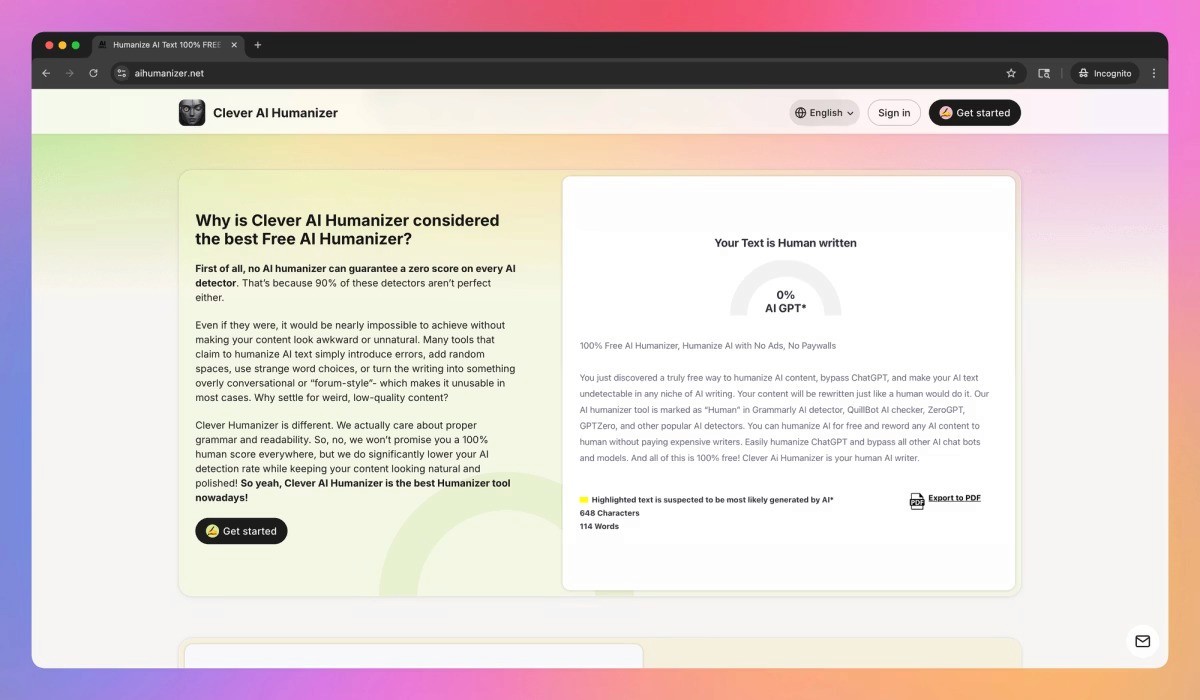
Clever AI Humanizer consistently delivers the lowest detection rates in testing. Its engine rewrites content at the conceptual level rather than adjusting surface text. This results in output that feels organic and varied.
As a free essay humanizer, it removes financial barriers while maintaining strong performance. Users can process large sections of text without subscription pressure. This accessibility makes it especially attractive to students and independent writers.
Clever AI Humanizer is particularly effective when writers need to humanize essay drafts generated with AI. It supports ethical rewriting by preserving intent while eliminating machine patterns.
Grammarly AI Humanizer: Strengths and Limitations
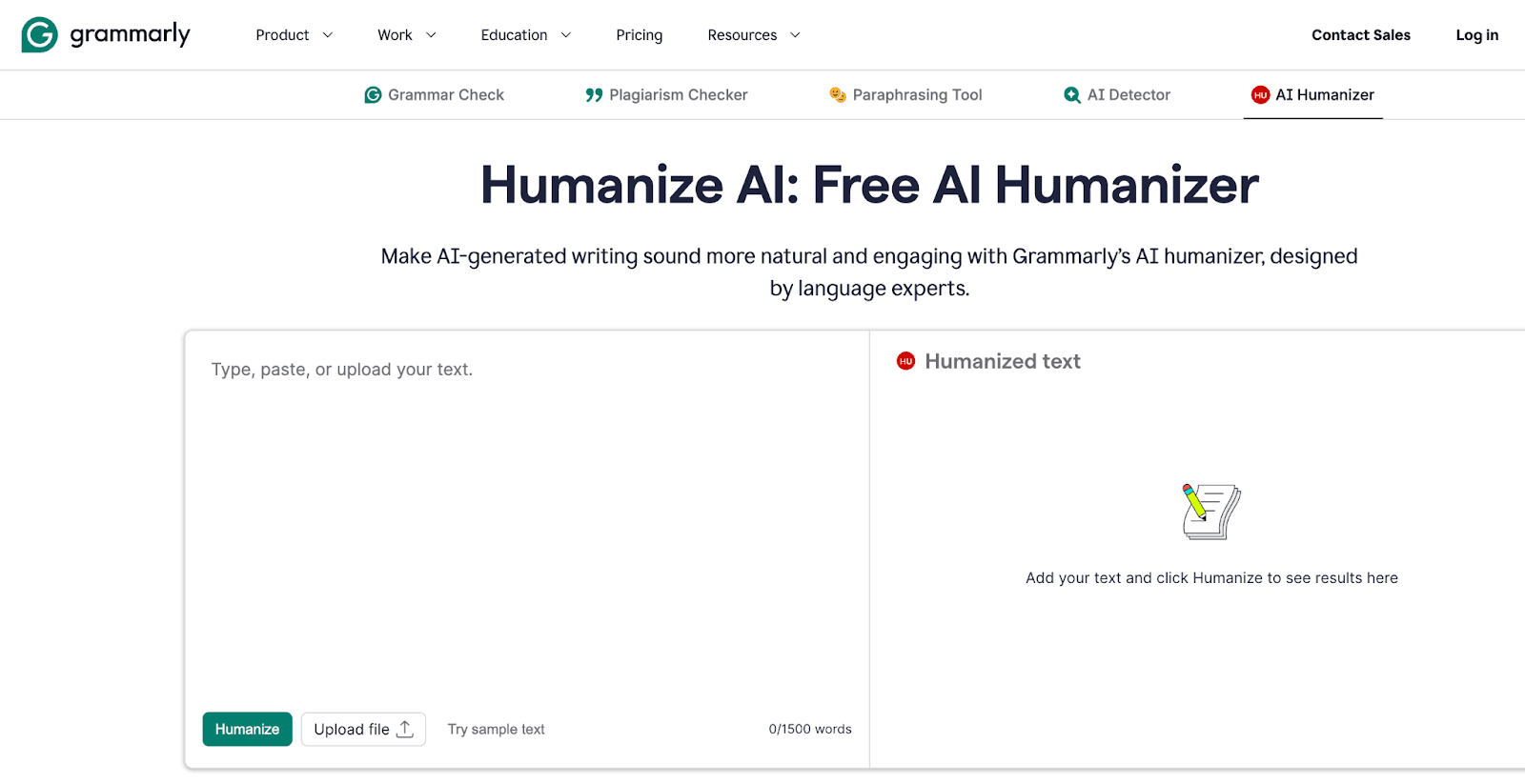
Grammarly AI Humanizer is optimized for correctness and clarity. It excels at grammar, tone consistency, and professional polish. These strengths make it valuable for emails, reports, and business documents.
However, its rewriting logic preserves sentence structure. As a result, AI detection rates remain high despite flawless grammar. This limits its usefulness for essays that must pass strict detection thresholds.
Grammarly is best viewed as a refinement tool. Writers who already have human-written drafts benefit most. Those seeking an undetectable rewriter may need a more specialized option.
Humanize AI Pro: Controlled Rewriting
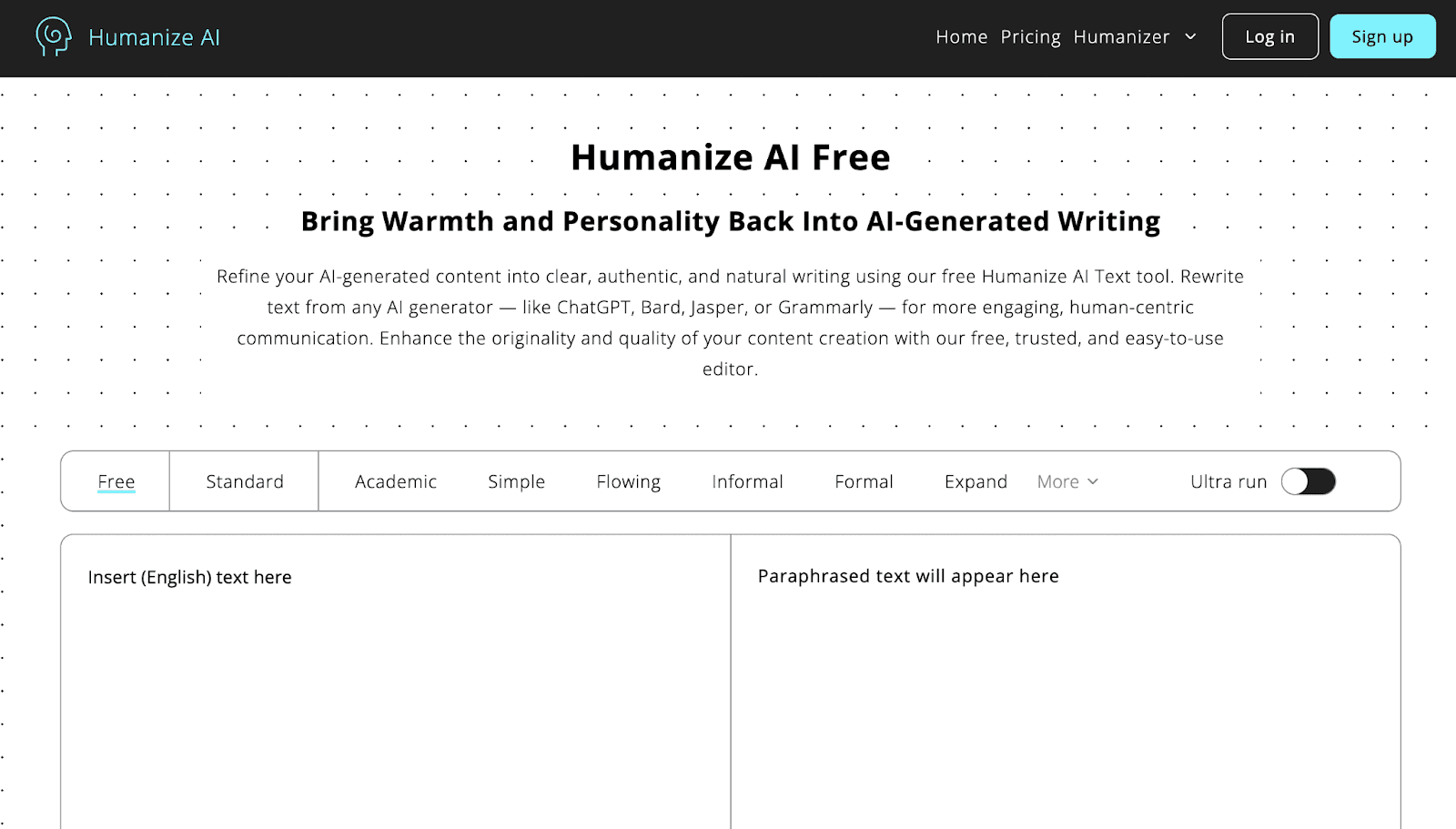
Humanize AI Pro focuses directly on detection avoidance. It offers adjustable rewriting intensity, allowing users to control how much text changes. This flexibility appeals to experienced writers.
Detection scores improve compared to general-purpose tools. However, results still show high AI classification in many cases. The tool reduces predictability but does not fully eliminate it.
Humanize AI Pro suits users who want customization. It works well when paired with manual review, especially for medium-risk content.
AIHumanize.io: Readability-Focused Output
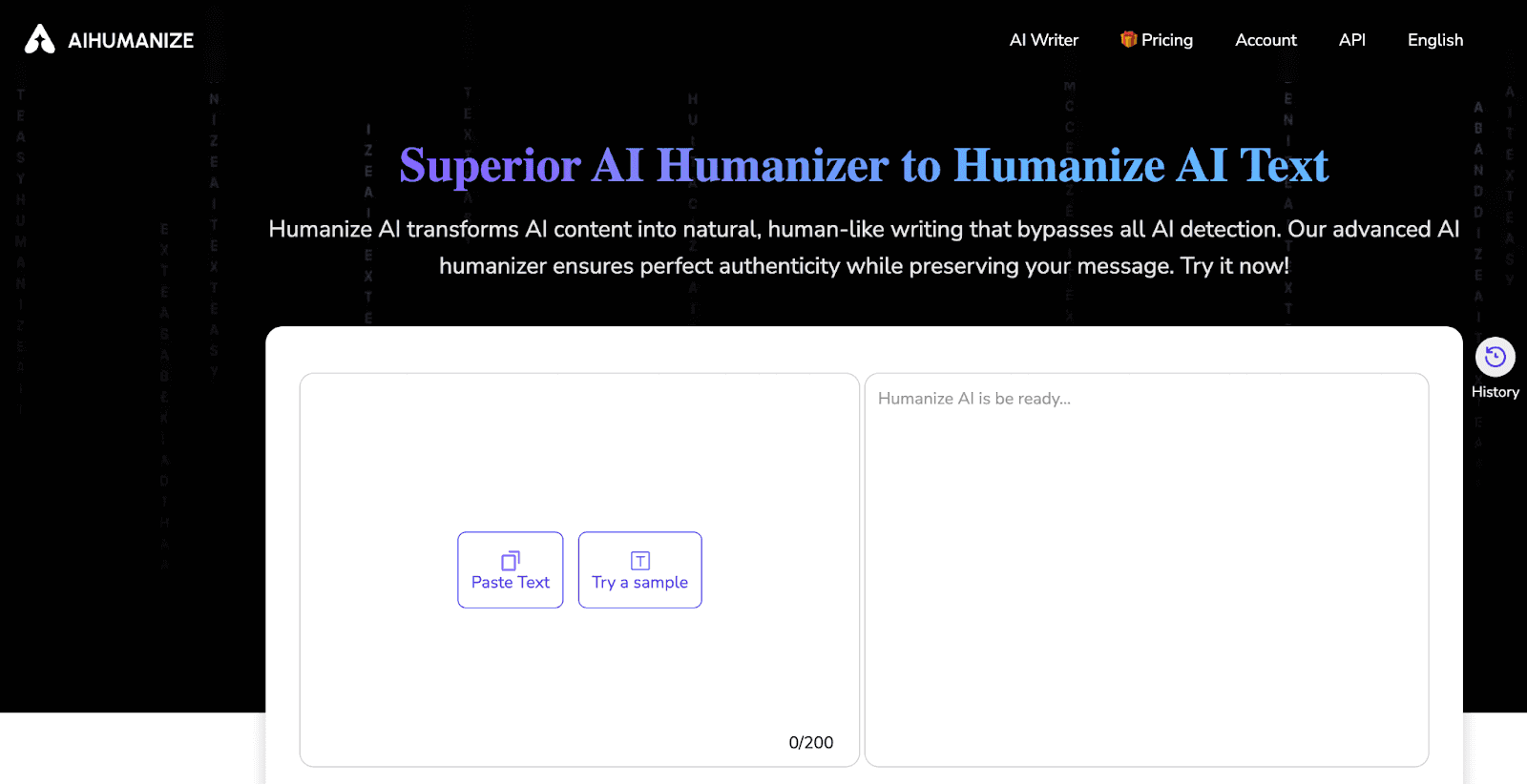
AIHumanize.io emphasizes smooth flow and coherence. It rewrites content to sound conversational and clear. This makes it useful for blogs and explanatory writing.
Detection performance varies. Some outputs pass successfully, while others retain subtle AI markers. This inconsistency can be risky for formal submissions.
The platform is helpful for improving tone. Writers targeting strict originality standards may need additional editing after use.
HumanizeAI.io: Aggressive Structural Changes
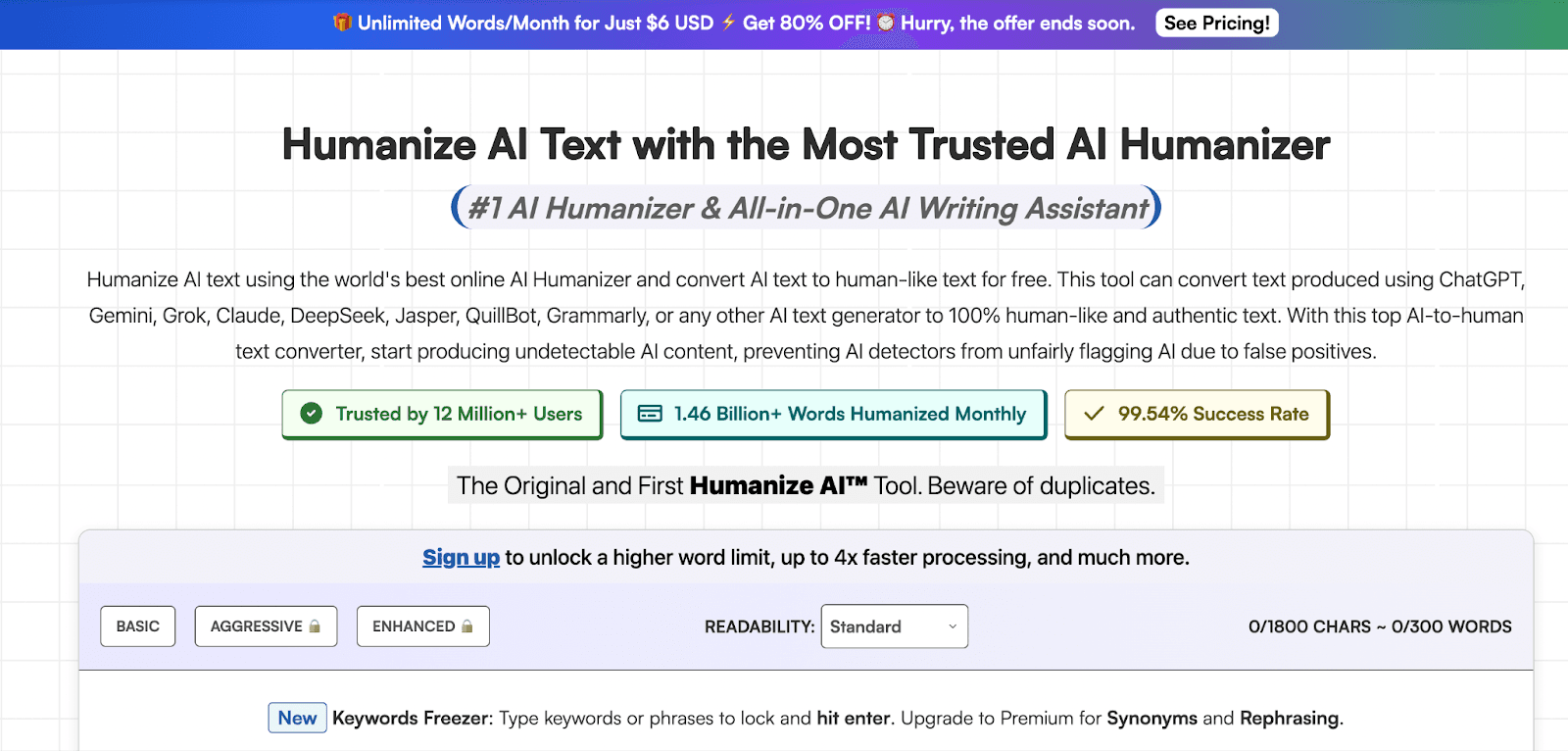
HumanizeAI.io applies heavier sentence restructuring. It alters rhythm, syntax, and transitions more aggressively than many competitors. This approach lowers predictability more effectively.
The trade-off is precision. Some outputs may slightly shift meaning or require refinement. Writers should review results carefully before submission.
This tool works best when clarity is not highly technical. It benefits users who want strong humanization with follow-up editing.
Academic Use and Responsible Humanization
In formal contexts, rewriting must support learning rather than replace it. Ethical academic writing begins with original thinking and responsible AI assistance. Rewriters should refine language, not fabricate ideas.
Tools that function as an essay humanizer help students express ideas more naturally. They reduce detection risk while maintaining academic tone. This balance is essential for credibility.
For users seeking to humanize ai academic content, detection data matters. Based on testing results, Clever AI Humanizer currently offers the strongest combination of low detection, readability, and accessibility, making it a practical choice for academic workflows.
Final Perspective
The landscape of AI-assisted writing is evolving quickly. Detection systems are becoming smarter, and rewriting tools must evolve with them. Choosing the right platform requires understanding both performance data and use-case needs.
Each tool reviewed here serves a distinct purpose. Some focus on polish, others on structure, and a few on deep humanization. Data shows that Clever AI Humanizer stands out where detection avoidance is the priority.
Used responsibly, these tools support better writing rather than shortcuts. When technology and intention align, AI-assisted content can remain authentic, ethical, and unmistakably human.

Senior Marketing Consultant
Michael Leander is an experienced digital marketer and an online solopreneur.